
International Autonomy
Simulating Autonomous Robots for Industry
Isaac Sim environments, a real-to-sim pipeline, and onboard autonomy for industrial robot fleets, from simulation to hardware.
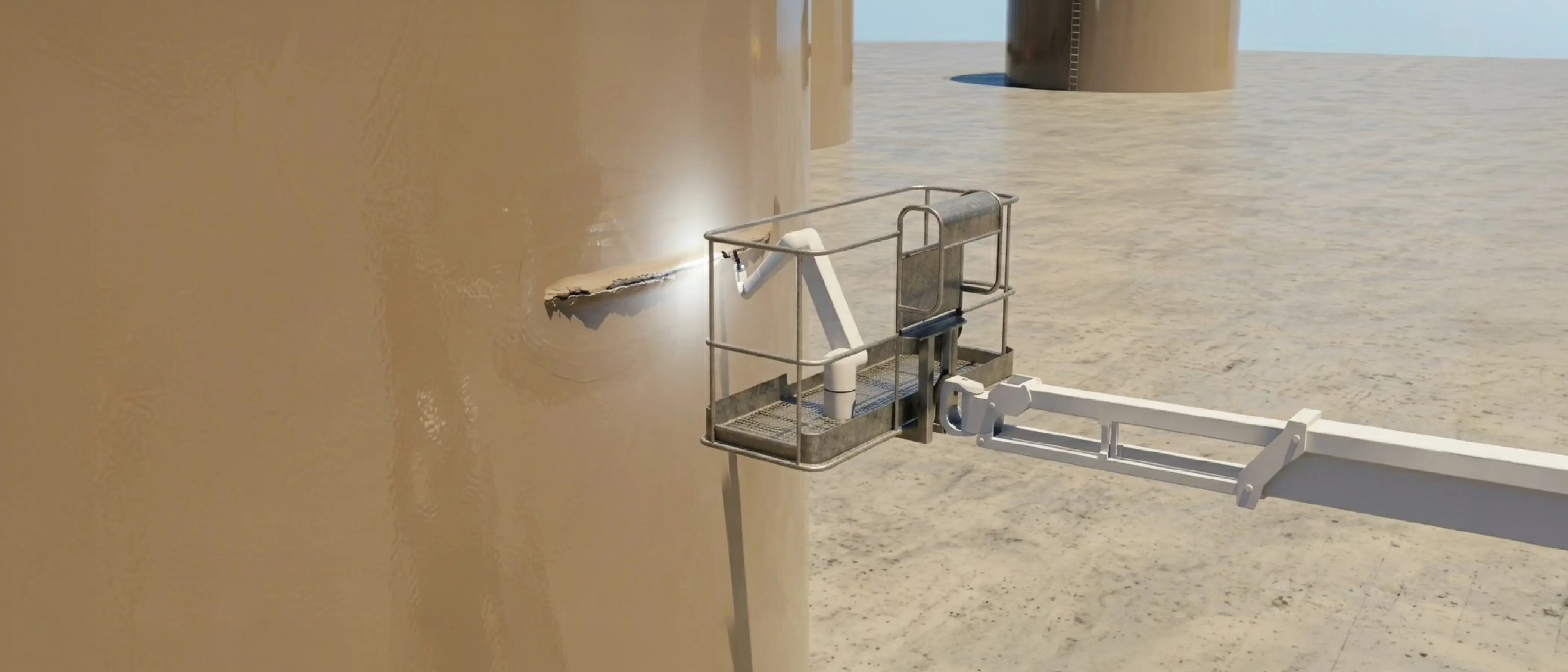
International Autonomy (IAC) is building a platform to bring autonomy to industrial environments, with the goal of a single system that manages fleets of robots from different manufacturers and form factors. To show what that platform could do in real customer environments before a robot ever sets foot on site, IAC partnered with Focus to build simulation-based demonstrations and the autonomy stack behind them. What started as a single warehouse demo grew into multi-robot industrial scenarios, a real-to-sim pipeline, and autonomy running on physical hardware.
IAC needed demos that could adapt as quickly as its business did: new industries, new robot types, and new use cases, all built on a foundation that would carry over from simulation to real hardware.
What We Built
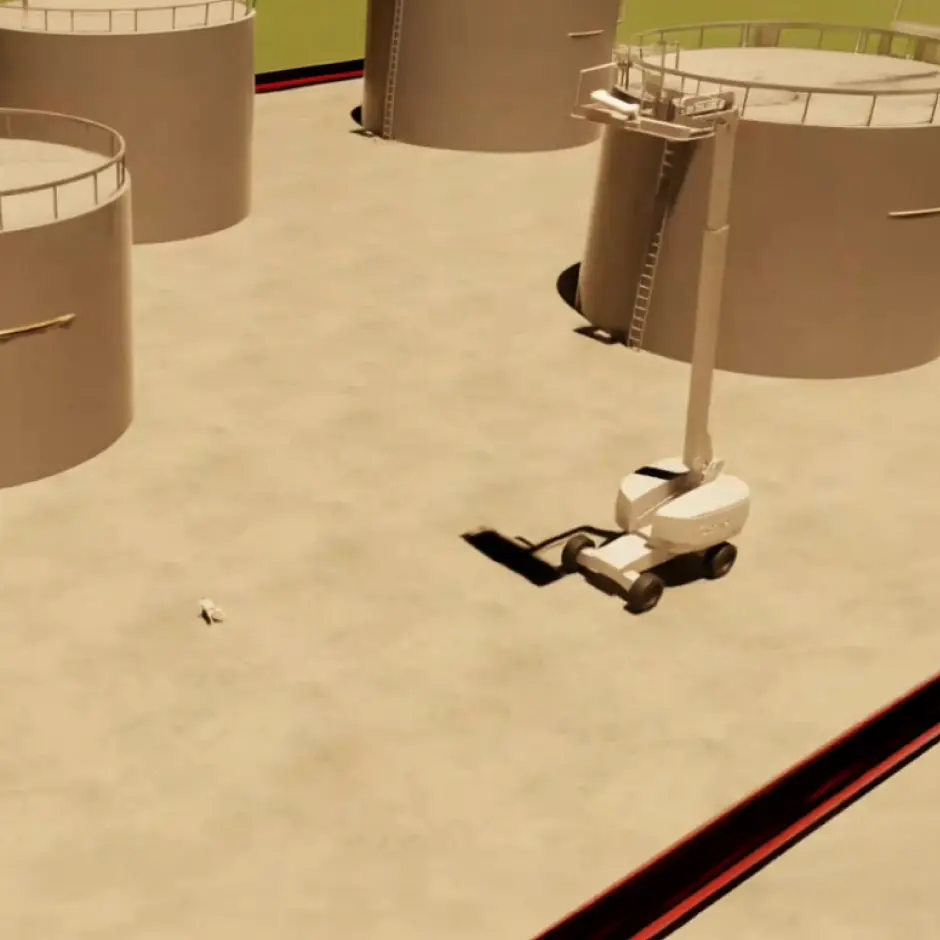
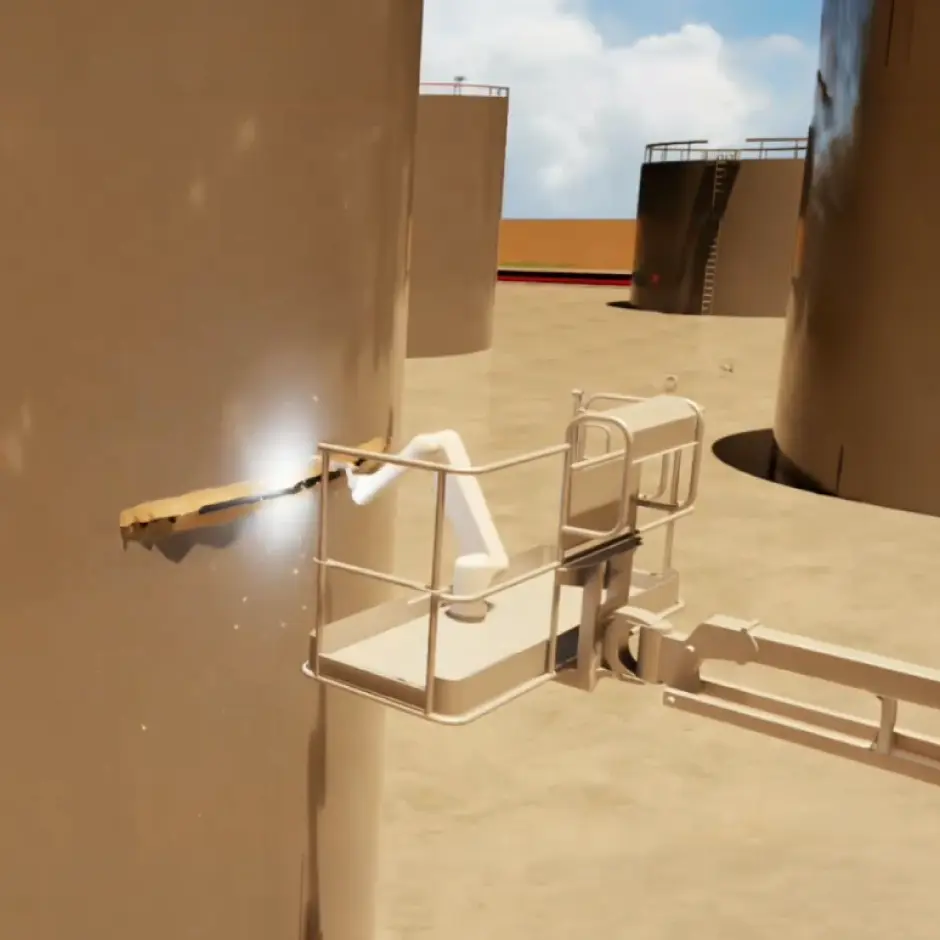
Focus built realistic industrial environments in NVIDIA Isaac Sim with real-time ROS 2 integration, from warehouses to open-field facilities. Using Nav2, robots navigate autonomously, patrol key points, and detect and follow people entering restricted zones.
To turn any customer site into a tailored demo, Focus built a real-to-sim pipeline: a robot maps the real environment with stereo cameras, and then becomes a simulation asset through neural reconstruction.
The team then took the stack from simulation to reality. On a Unitree Go2, the full system runs on the robot's onboard computer, mapping, localizing, following waypoint routes, and tracking people within defined zones. Focus also trained a locomotion policy in Isaac Lab for stable movement on quadruped robots.
To accelerate development, Focus set up closed-loop, AI-assisted workflows in which an agent controlled the robot, tuned SLAM parameters and training rewards, and fixed deployment issues, with engineers steering decisions and validating results.
.webp)
Impact
IAC now has a reusable, hardware-agnostic autonomy foundation for its demonstrations, one that can recreate a customer's own facility in simulation and carry the same behaviors onto physical robots.
Sim-to-Real Autonomy
Navigation, mapping, localization, and person following developed in simulation and running on physical hardware
Map-to-Simulation Pipeline
Real environments captured with stereo cameras and converted into simulations for industry-specific demos
AI-Accelerated Tuning
Closed-loop agents tuning hundreds of SLAM and training parameters, cutting iteration time for the engineering team
.webp)
Bringing the demos to life required close collaboration between Focus and IAC's engineering team, from simulation design to on-robot deployment.
Start building together!
Let’s Innovate Together!



© Copyright 2026 Focus. All Rights Reserved.