
Mapping with a Robotic Quadruped
SLAM navigation and real-time mapping, running live on a quadruped robot platform.

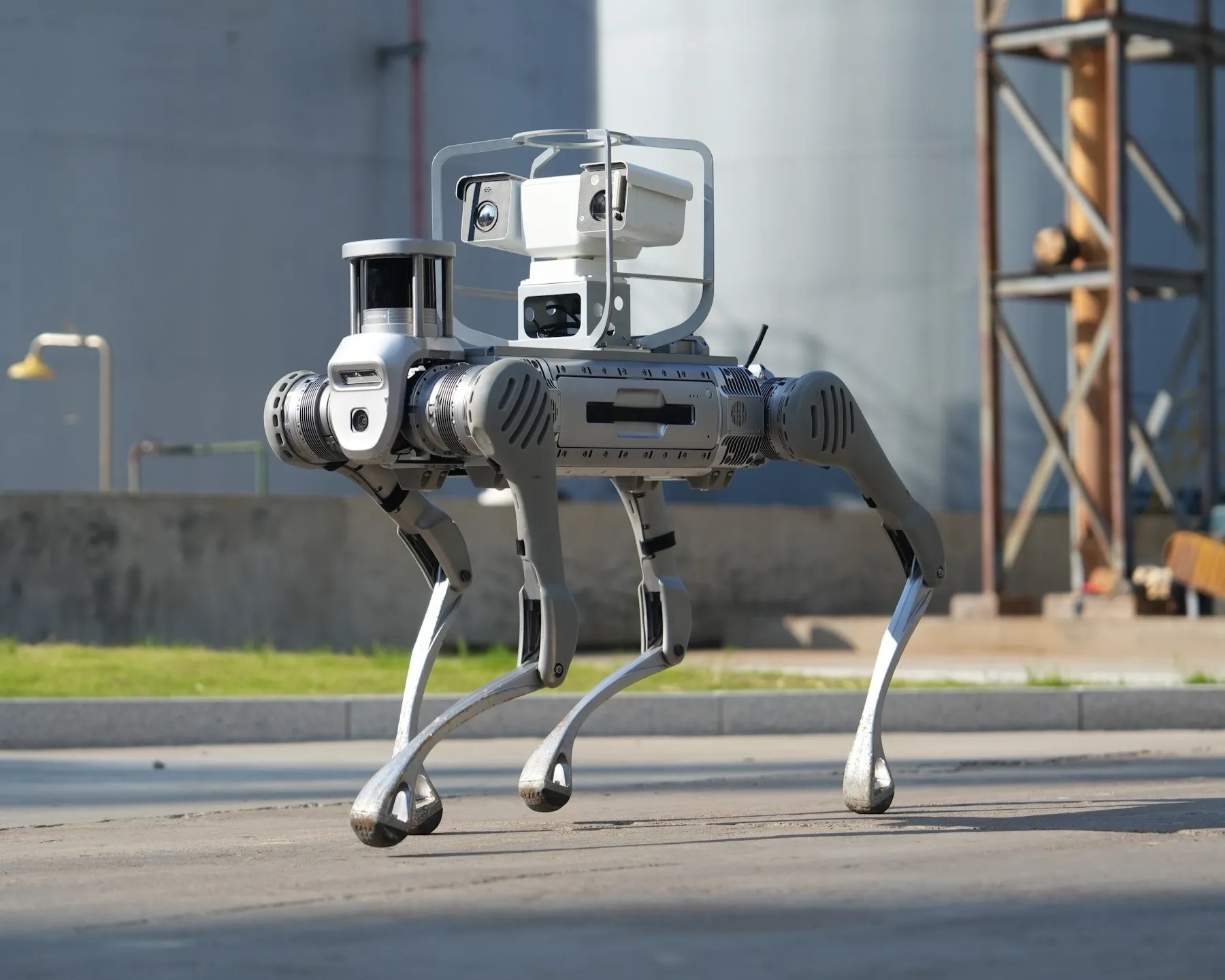
A major 5G infrastructure vendor looking to showcase their connectivity solutions for robotics applications needed a compelling way to demonstrate autonomous navigation and mapping capabilities to stakeholders and decision-makers. The goal was to provide a live, interactive demonstration that made the technology tangible, deploying a production-grade robotics stack on a commercial quadruped and giving non-technical audiences a way to interact with it directly, without hiding what the technology was actually doing. The demo also needed to be reliable enough to run in a live lab setting, in front of an audience.
A tech company needed a live, interactive robotics demo to make autonomous navigation tangible for stakeholders.
What We Built

Impact
Stakeholders experienced autonomous navigation firsthand, turning an abstract technology proposition into a tangible demo that drove real engagement.
Production-Grade Autonomy Stack
ROS 2 Jazzy, RTAB-Map SLAM, and the Nav2 navigation stack ran fully containerized on the robot's onboard compute, delivering a reliable, self-contained system capable of operating live in front of an audience.
Simulation-to-Reality in One Codebase
A single codebase supported both Gazebo simulation and real-robot deployment, allowing the team to develop and validate behaviors in simulation before switching to live hardware without any reconfiguration.
Interactive Control for Non-Technical Audiences
A Foxglove Studio interface let participants send click-to-goal commands, reset the map, and trigger recovery behaviors in real time, making autonomous navigation something anyone in the room could directly engage with.
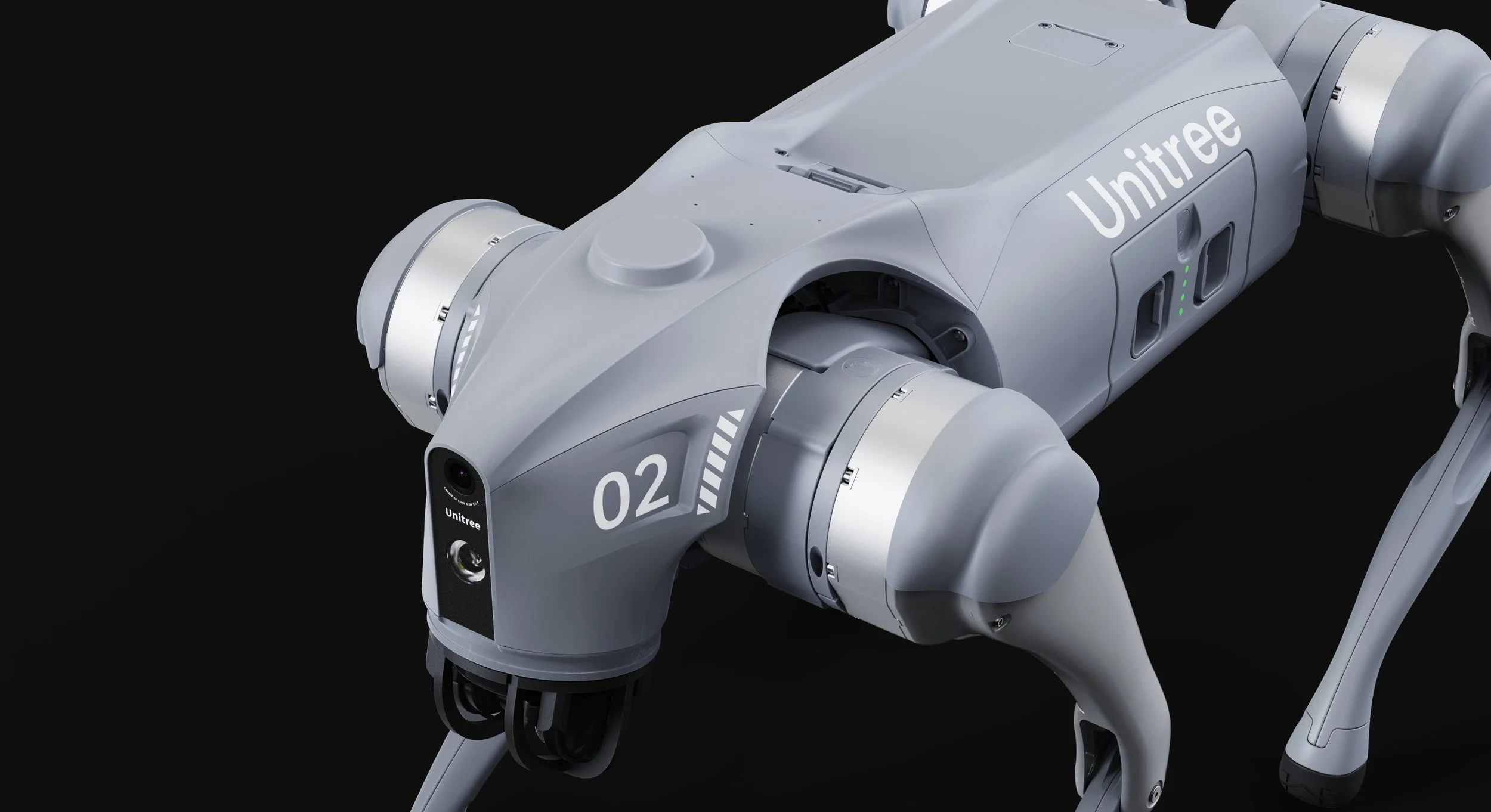
A live demo that closed the gap between technical capability and business understanding, making quadruped autonomy tangible for the people who need to act on it.
Start building together!
Let’s Innovate Together!



© Copyright 2026 Focus. All Rights Reserved.