Wonder Workshop
Dash Lightning FW + HW port
nRF54L15 and Zephyr RTOS: migrating a decade-old educational robot to next-generation silicon without touching the BOM
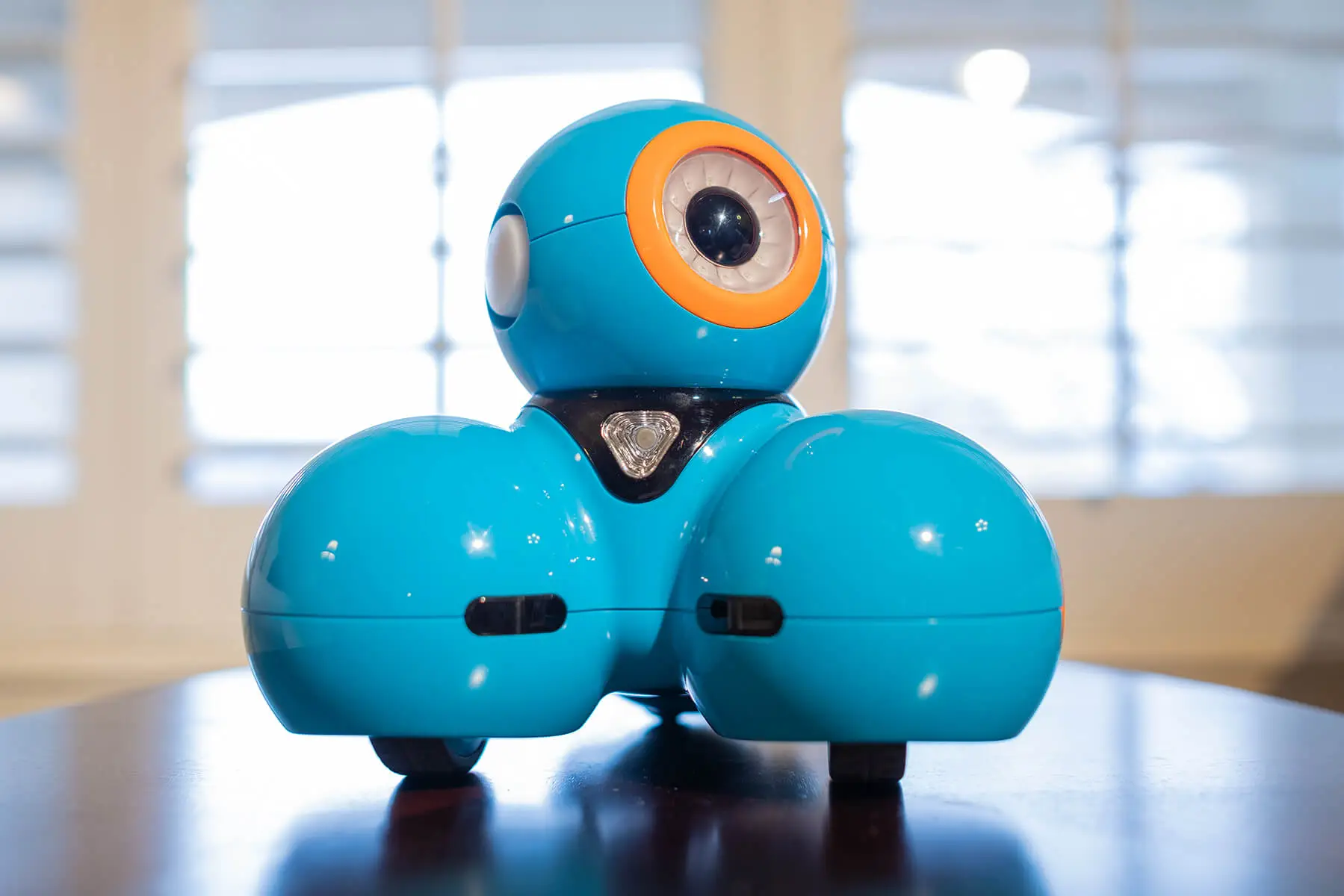
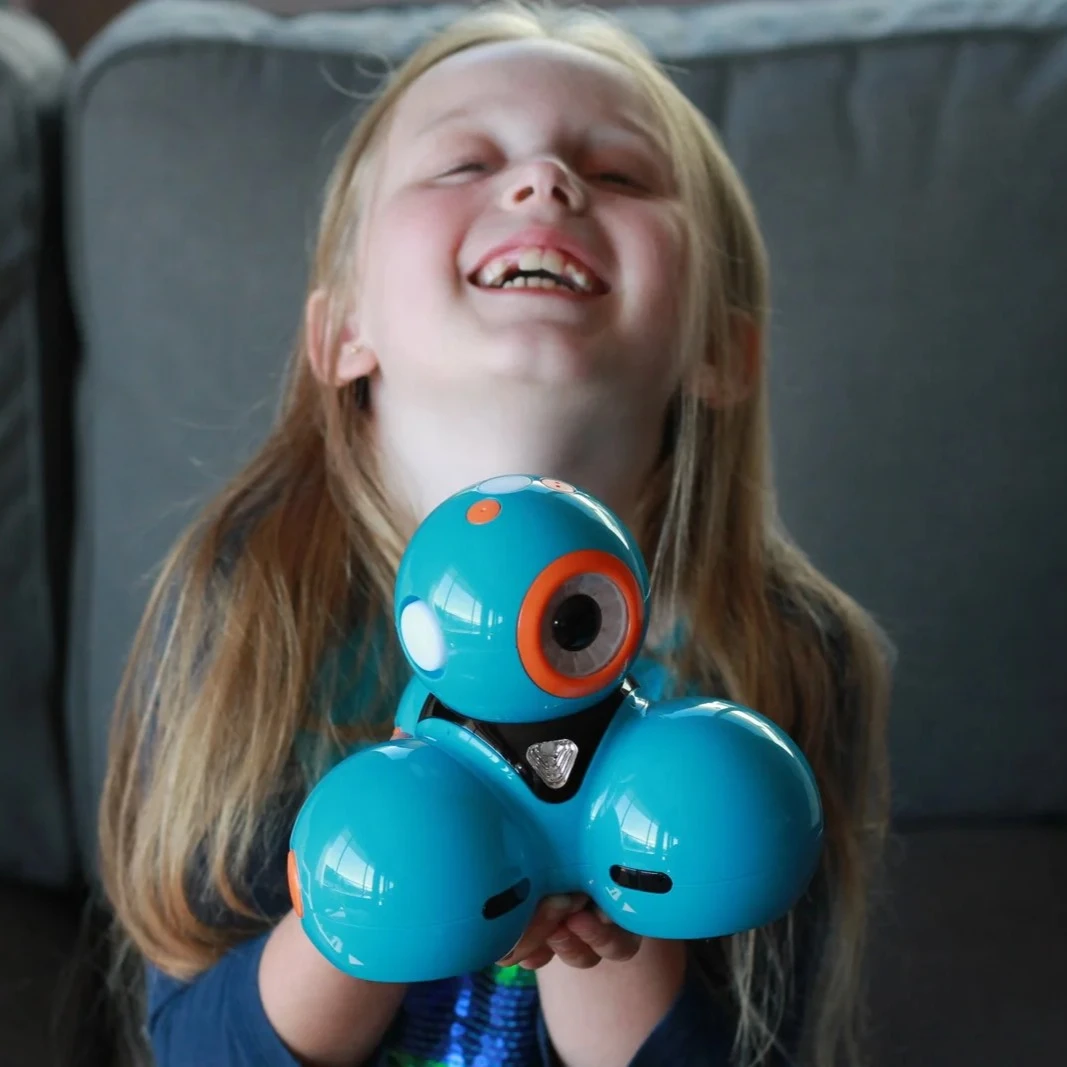
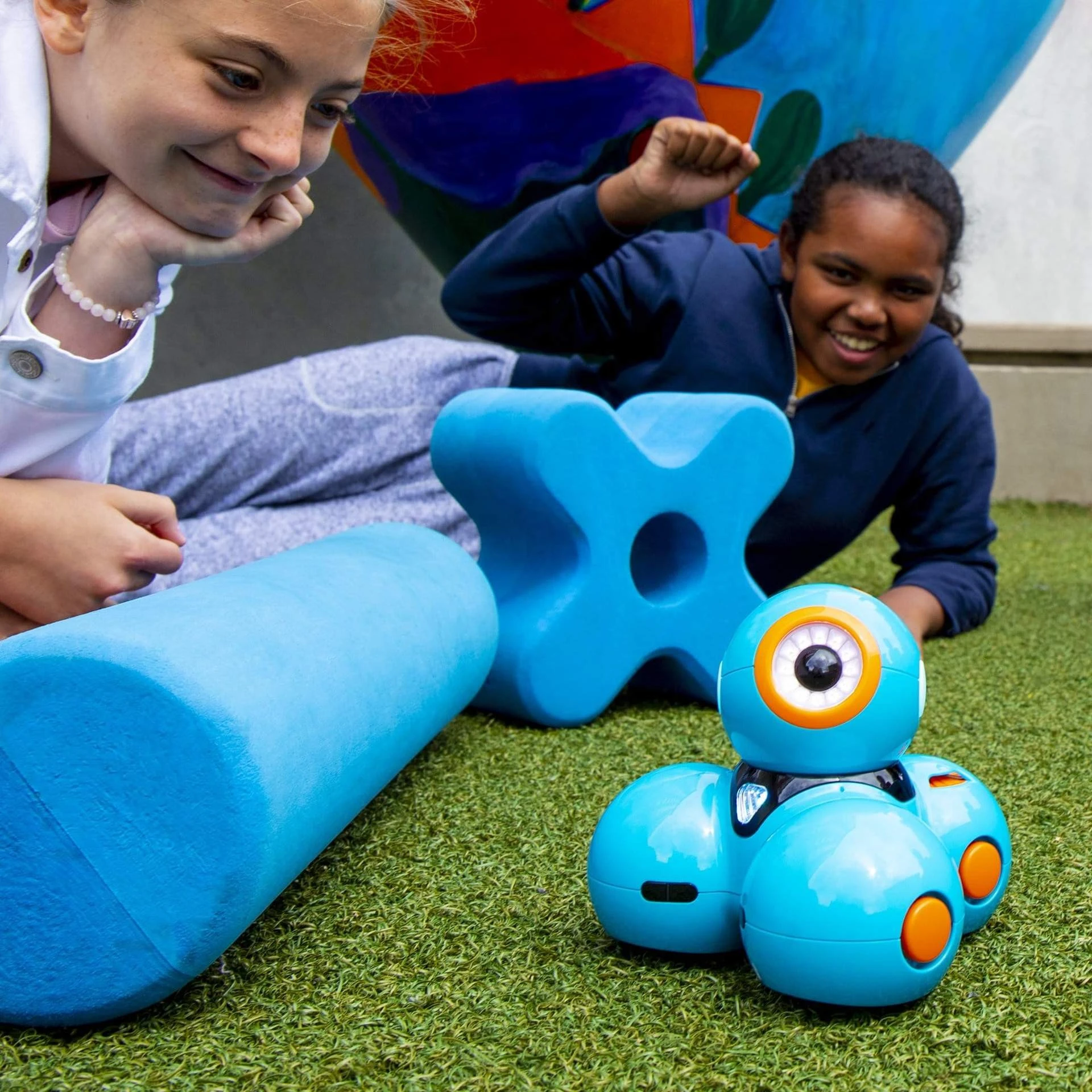
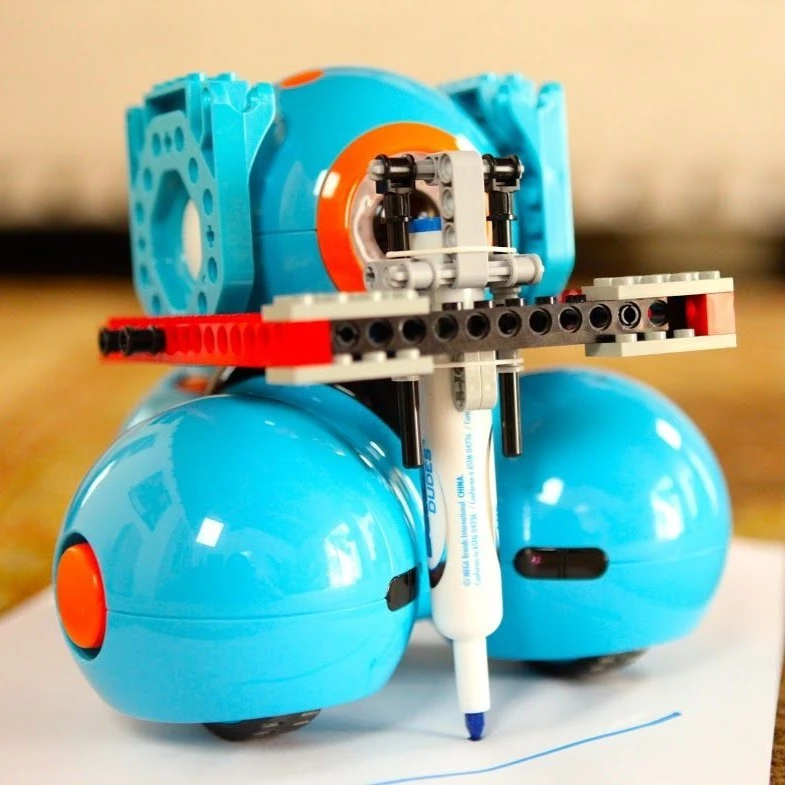
Wonder Workshop's Dash robot has been teaching children coding and STEM concepts since 2014, earning a place in classrooms and homes across the world. A decade later, the nRF51822 at the heart of Dash's Bluetooth stack is reaching end of life, and Wonder Workshop needed to modernize the platform to keep the product viable. The migration had to preserve everything that made Dash commercially successful: its affordability, its rich sensor-driven feature set, and its ability to be manufactured at high volume with tight cost controls. Finding the right silicon and the right engineering partner to execute the transition were both critical decisions.
Wonder Workshop needed to migrate Dash off end-of-life silicon without increasing BOM cost or losing any existing features.
What We Built
Impact
Dash gains a modern hardware and firmware foundation that extends its commercial life and gives Wonder Workshop a faster path to future features.
nRF54L15 next-gen SoC
Consolidating Bluetooth, sensor processing, and motor control into a single chip
Zephyr RTOS + nRF Connect SDK
Open-source, modular software platform replacing a decade-old ThreadX codebase
Nordic Design Partner
Early silicon access and direct Nordic technical support, critical for adopting a recently released platform
Early access to new silicon only pays off with the expertise to use it. That combination gave a ten-year-old platform a viable path to the next decade.
Start building together!
Let’s Innovate Together!


© Copyright 2026 Focus. All Rights Reserved.