
Medipace
OpenNerve
Full hardware design of an open-source implantable pulse generator, enabling accessible neuromodulation research worldwide.
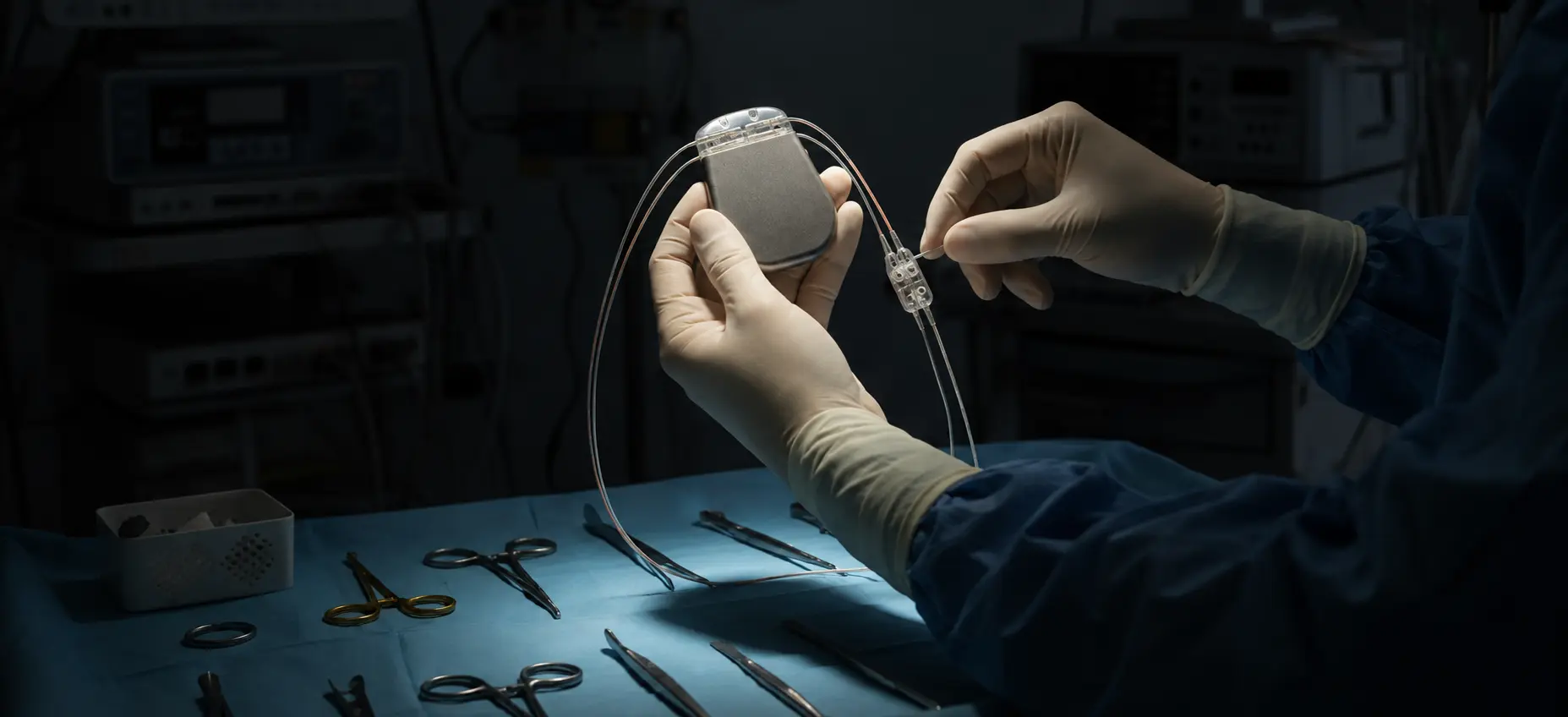
Medipace is a Pasadena-based startup developing implantable devices to treat gastrointestinal, autoimmune, and metabolic diseases through sacral nerve stimulation. Their therapy relies on an implantable pulse generator (IPG), but building a proprietary device from scratch is expensive and time-consuming, creating a high barrier for startups and research institutions wanting to validate new neuromodulation therapies. Funded by the NIH under the HORNET initiative, the OpenNerve project set out to change that: an open-architecture, open-source IPG platform that any institution could adapt, extend, and deploy without bearing the full cost of a custom device.
Medipace needed an open-source IPG platform that lowered the barrier to entry for neuromodulation research.
What We Built
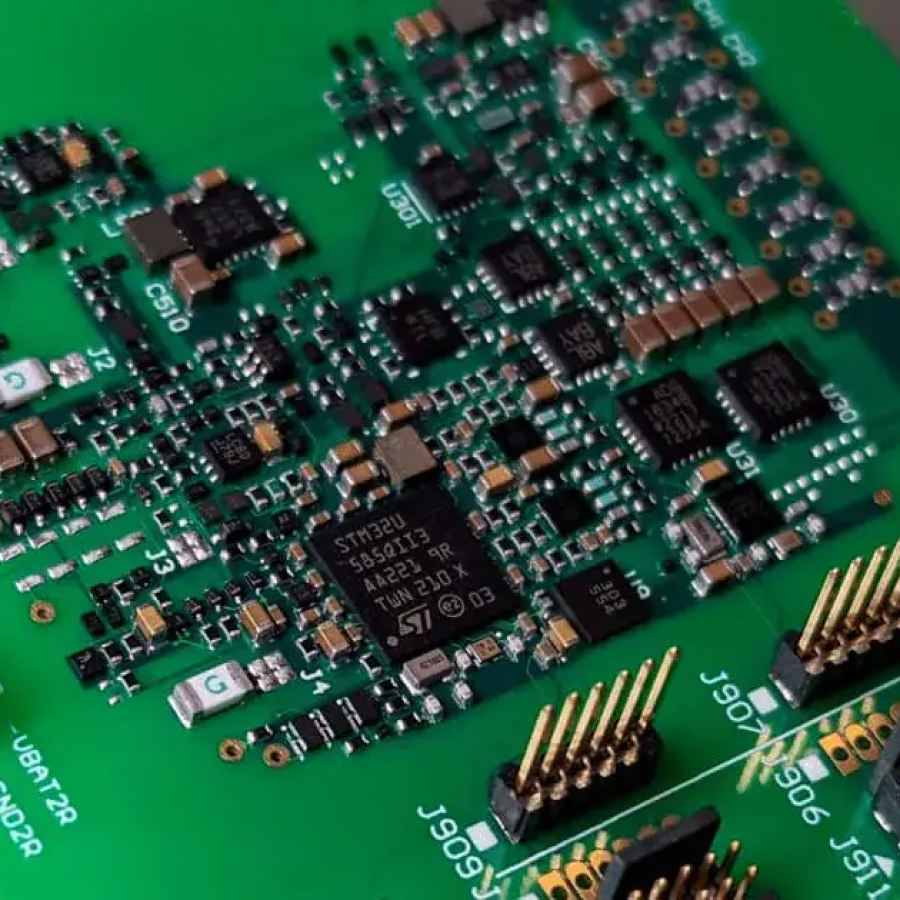
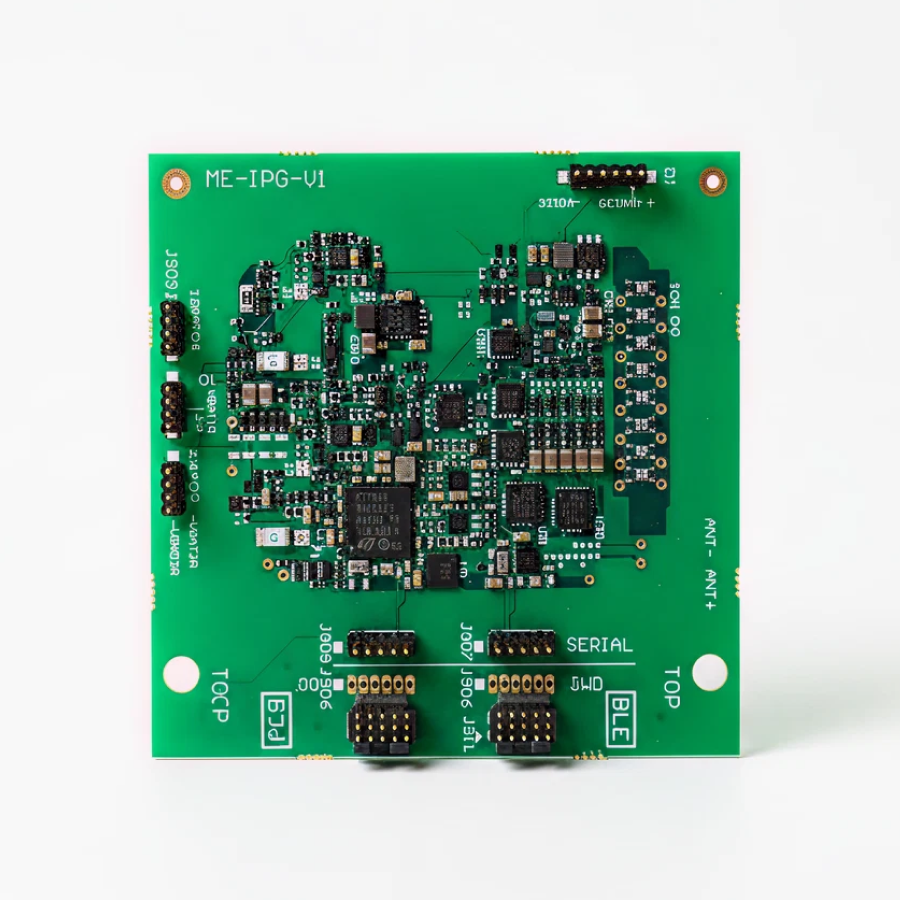
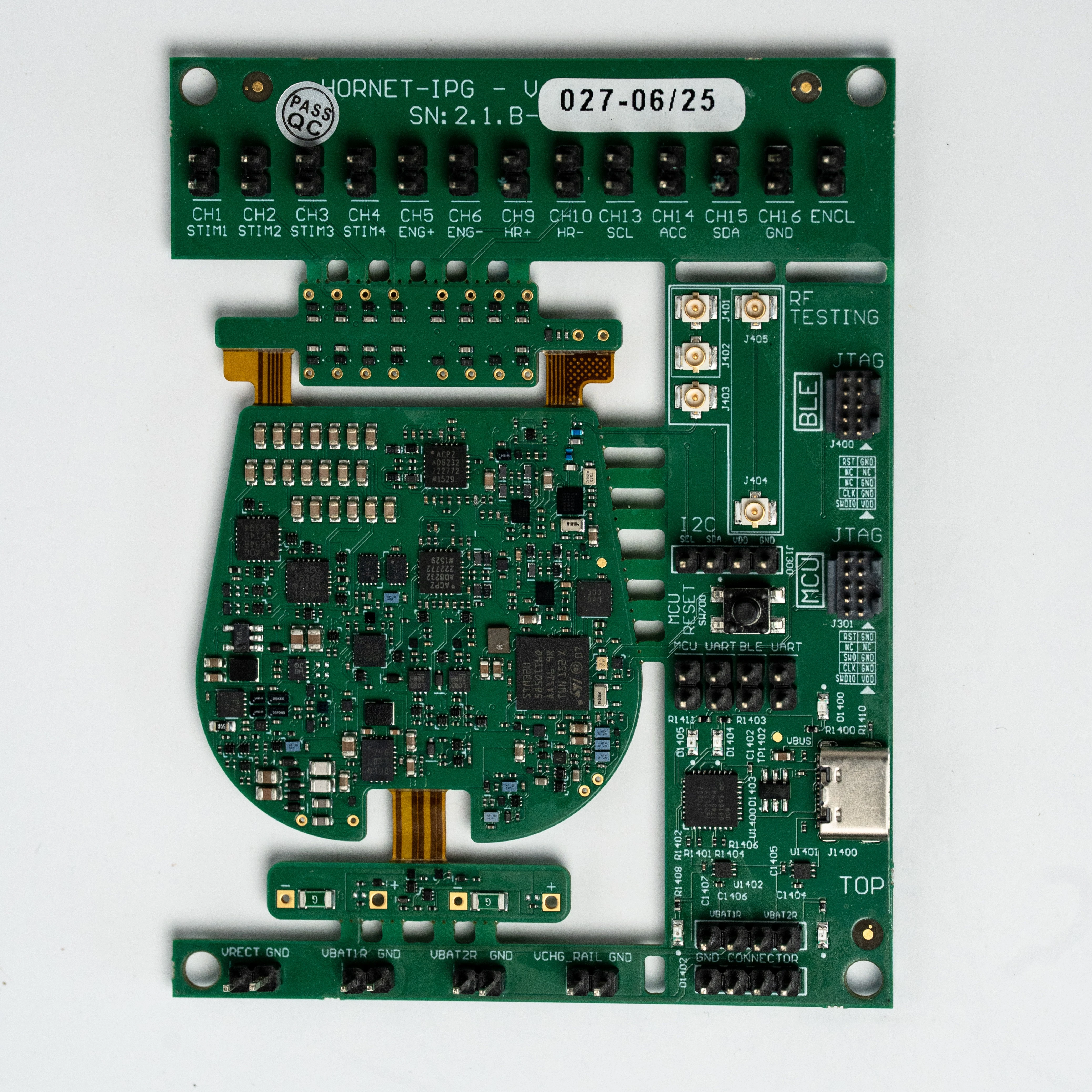
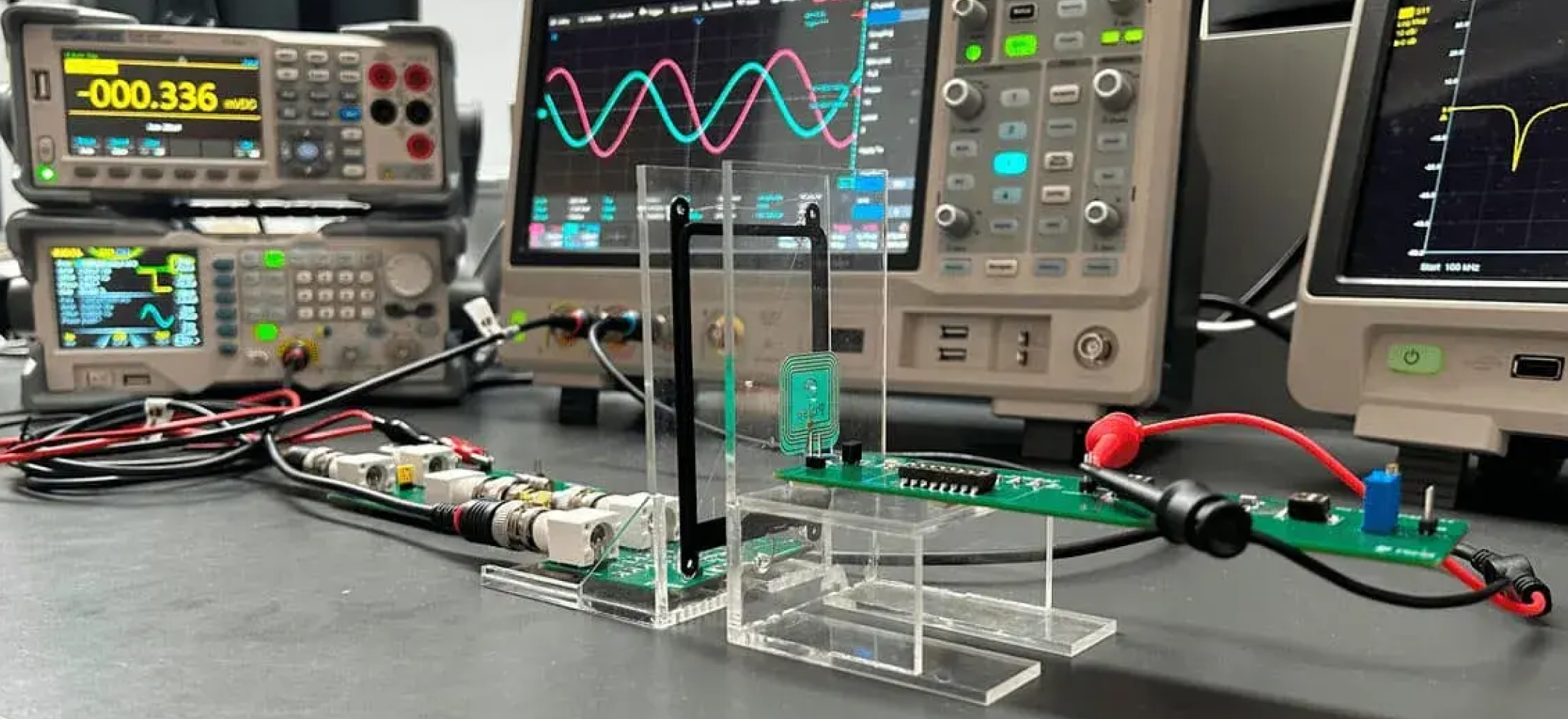
Focus led the full electronics design of the OpenNerve IPG, from architecture through prototyping. The platform is built around the Nordic nRF52832 microcontroller, chosen for its low power consumption and BLE capabilities. The IPG supports current-based neuromodulation, impedance measurement, and electronic biosignal monitoring, with sensor interfaces that allow adaptation across different therapeutic applications. A companion wireless charger was developed to enable transcutaneous power transfer to the implanted device. The embedded firmware manages stimulation, sensing, and external communication, providing a reliable interface between the device and external controllers.
Impact
OpenNerve is already in use at leading research institutions, validating new neuromodulation therapies on an open, adaptable platform.
NIH HORNET Initiative
As part of the federally funded HORNET program, OpenNerve advances open-architecture neuromodulation by giving researchers and startups a validated, adaptable IPG platform without the cost and timeline of a proprietary device.
Mayo Clinic Deployment
Focus developed a specific adaptation of the platform currently in active use at the Mayo Clinic, where researchers are evaluating novel neuromodulation therapies on a production-grade implantable system.
Open-Source, Global Reach
The open-source architecture has drawn interest from institutions including the University of Connecticut, lowering the barrier to neuromodulation research and giving teams worldwide a validated starting point instead of a blank slate.
By making a production-grade IPG freely available, OpenNerve gives research institutions and startups a validated platform to build on, accelerating the path from therapy concept to clinical evidence.
Start building together!
Let’s Innovate Together!



© Copyright 2026 Focus. All Rights Reserved.