
Interactive Humanoid Demo
LLM-orchestrated gestures and real-time human-robot interaction, built on a Unitree G1 humanoid platform.
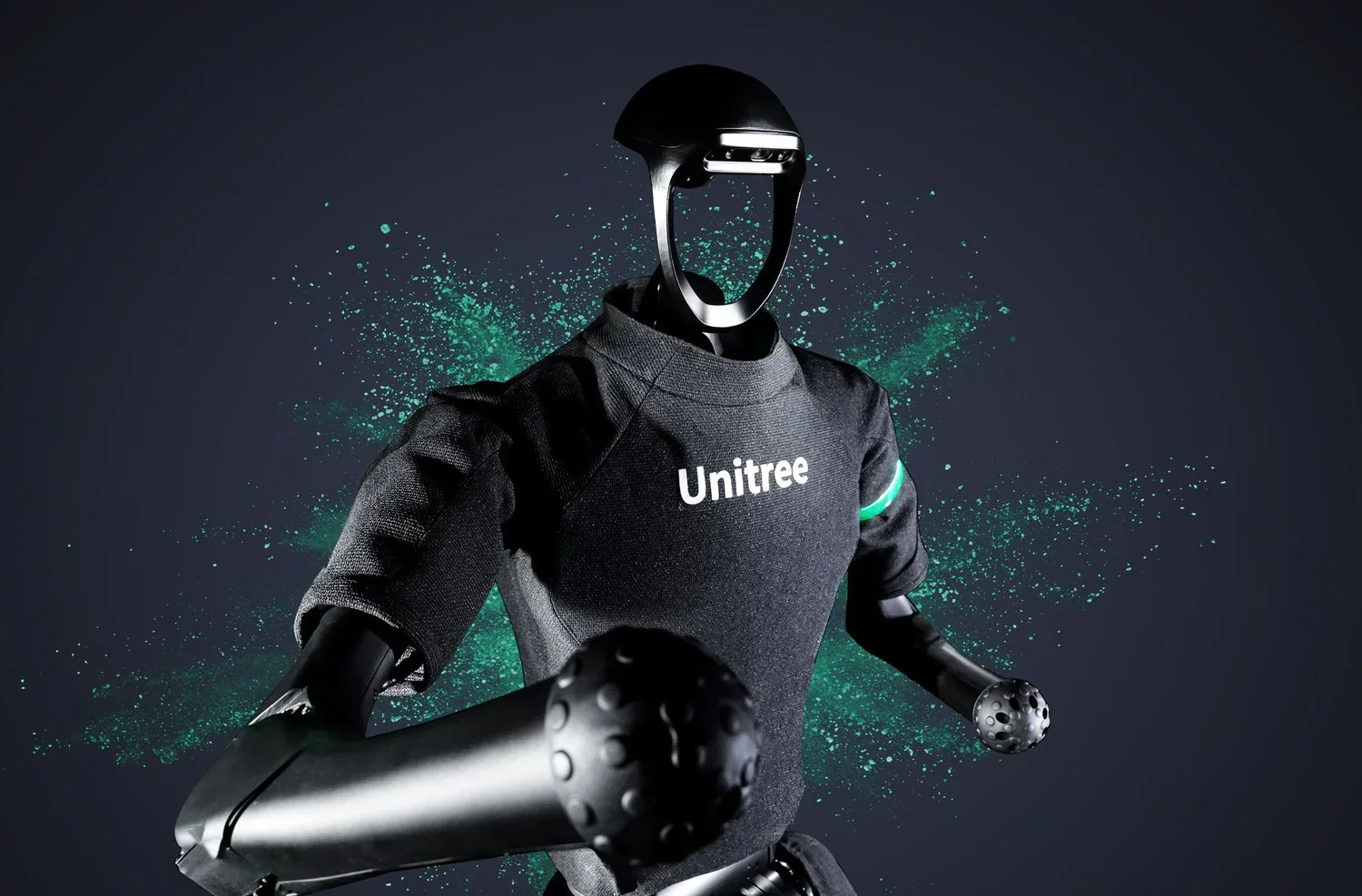
A major 5G infrastructure vendor sought to demonstrate how connectivity enables real-time intelligent robotic systems, using a Unitree G1 humanoid as the centerpiece of a live lab demo. The existing prototype repositories provided a starting point, but were fragmented and unstable, making them unsuitable for a live audience. The system needed to handle voice interaction, gesture recognition, and physical robot behaviors in a coordinated and reliable way, with low enough latency to feel genuinely responsive. Achieving that required building a clean control layer to serve as the interface between the robot's hardware and the AI orchestration layer running on top of it.
A major 5G vendor needed a live humanoid demo where AI-driven human-robot interaction felt natural and reliable.
What We Built
.webp)
.webp)
.webp)
Impact
The client demonstrated live that connectivity powers intelligent robotics, with a humanoid that the public genuinely wanted to approach and engage.
Unified AI-to-Robot Interfac
An MCP server gave the LLM a unified interface to trigger physical gestures and read live multimodal context, eliminating brittle point-to-point integrations between perception, language, and action.
Gesture Recognition
Real-time gesture detection made the interaction genuinely bidirectional: the robot recognized when participants were waving or extending a hand, and responded with the appropriate physical action.
Portable, Demo-Ready Deployment
A Docker Compose deployment packaged the entire stack, including RealSense camera streaming and WebSocket audio/video, making the system reproducible, portable, and ready for live demo environments.
Start building together!
Let’s Innovate Together!



© Copyright 2026 Focus. All Rights Reserved.